Access + staging
Gate width, slopes, protected surfaces, distance from street, material storage, neighbors, and restoration.
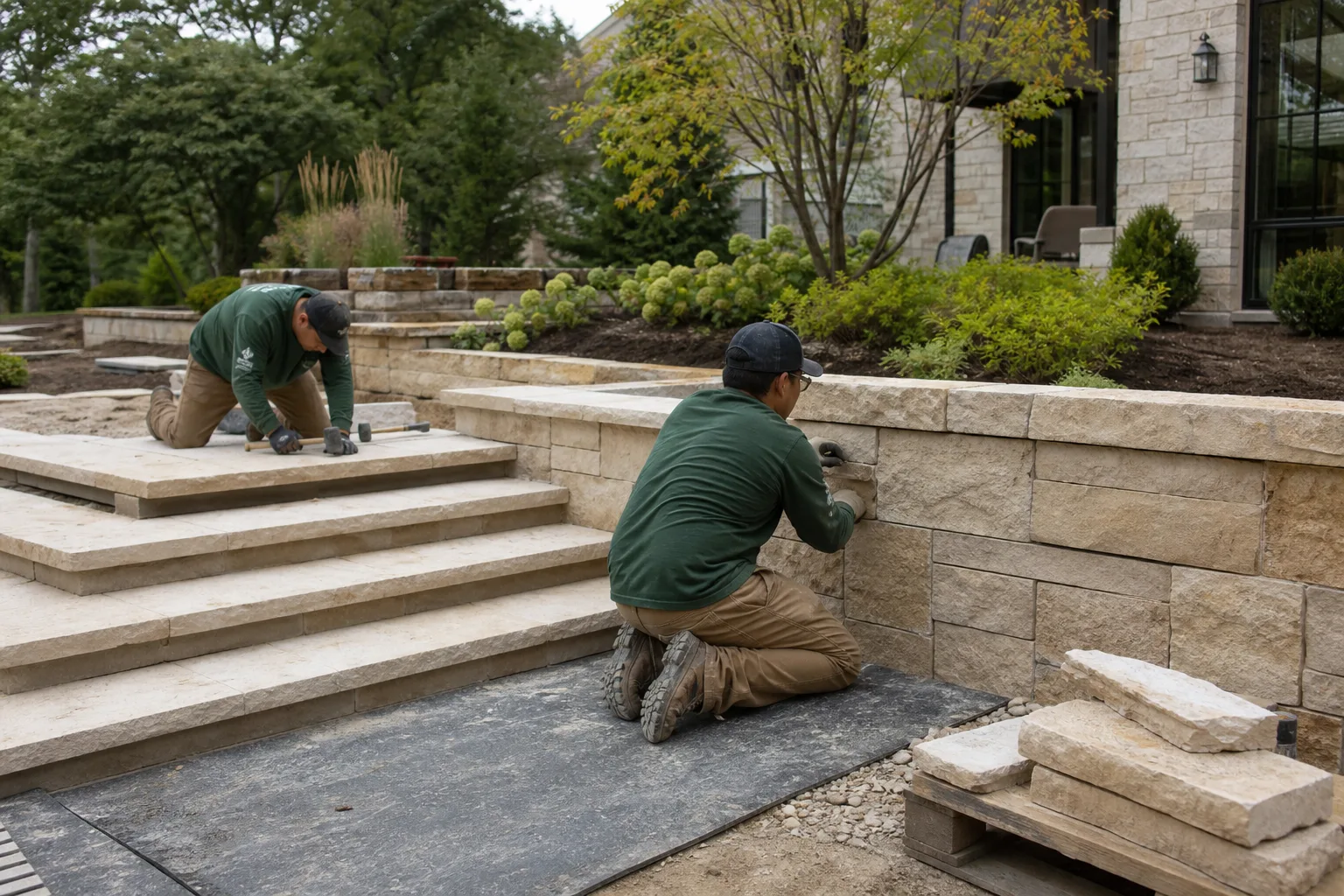
The visible patio or planting is only part of the work. Site access, preparation, hidden conditions, logistics, and coordination can matter as much as the finish material.
Gate width, slopes, protected surfaces, distance from street, material storage, neighbors, and restoration.
Existing paving, walls, roots, structures, unsuitable soil, buried debris, haul routes, and disposal rules.
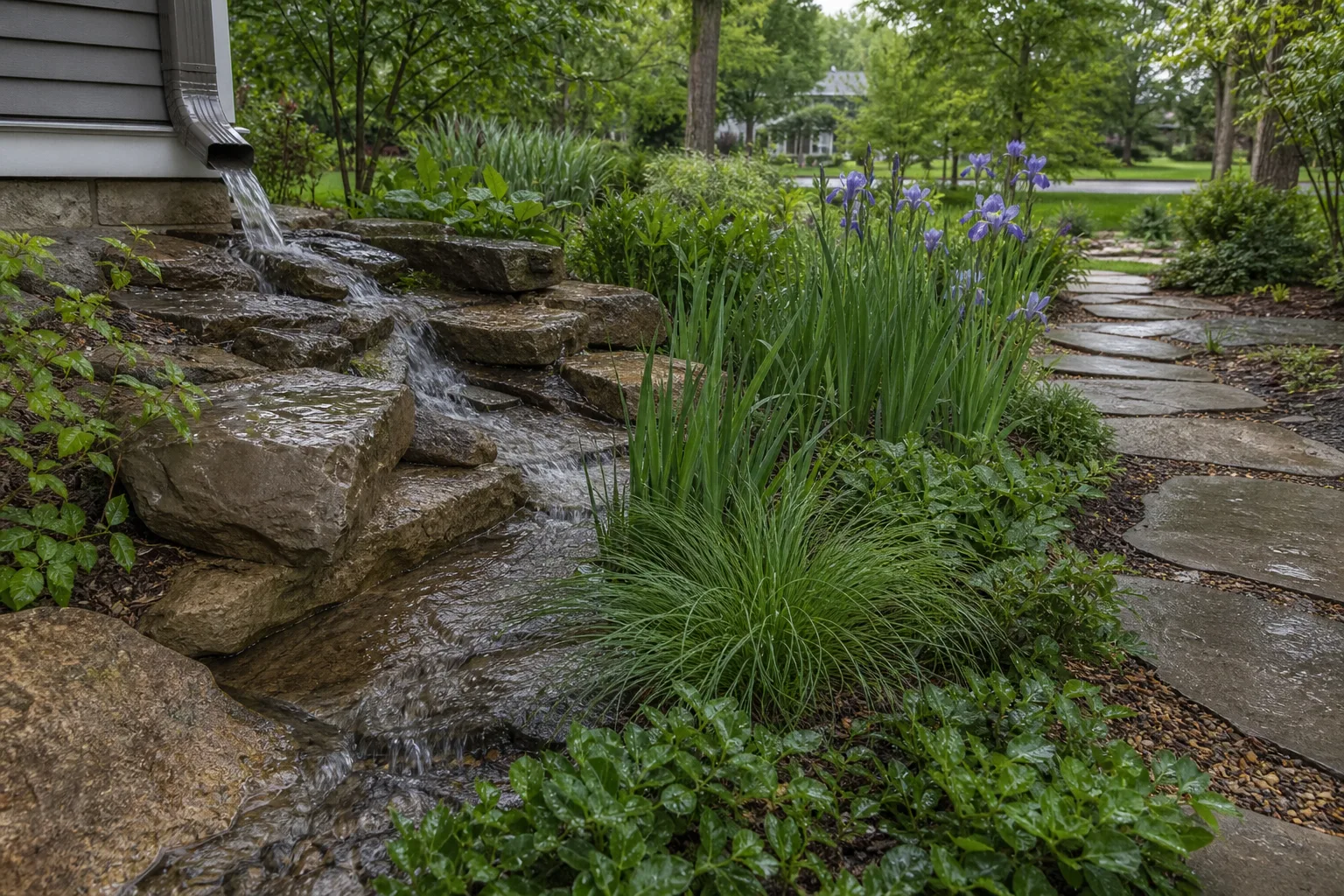
Elevation changes, thresholds, runoff, downspouts, soil, drainage, retaining, and off-site relationships.
Known and unknown utilities, electrical or gas work, right-of-way, review, inspections, and specialist dependencies.
Availability, base preparation, cuts, patterns, edge details, wall systems, lighting, and installation complexity.
Plant size, quantity, soil work, irrigation needs, protection, watering responsibility, and replacement terms.
Separating work can preserve cash flow but may duplicate access, mobilization, demolition, or restoration.
Design decisions, approvals, procurement, weather, seasonality, lead times, and other contractors.
Concealed conditions and incomplete records are uncertainty; a real proposal should state allowances and change handling.

A stronger first conversation includes more than a wish list. Gather what is known, show what is uncertain, and decide how the project will be approved.
What needs to change, who uses the property, and what would make the project worthwhile?
Survey, plat, photos, drainage history, utilities, prior work, rules, and existing conditions.
Budget range, timing, access, disruption, retained elements, and decisions that are not negotiable.
Owners, managers, association, tenants, specialists, permitting bodies, and financial approvers.

These questions help establish scope without pretending a general guide can produce a quote.
A comfortable range helps the provider propose appropriate scope and materials. It should not replace transparent quantities, assumptions, and a written proposal.
Access, demolition, soil, base, drainage, walls, steps, cuts, edges, utilities, permits, material logistics, and restoration may differ substantially.
No. Phasing can preserve cash flow, but repeated access, mobilization, demolition, temporary work, and restoration may increase total cost.
The item, assumed quantity or value, what is unknown, how selection affects price, markup, approval, and change handling.