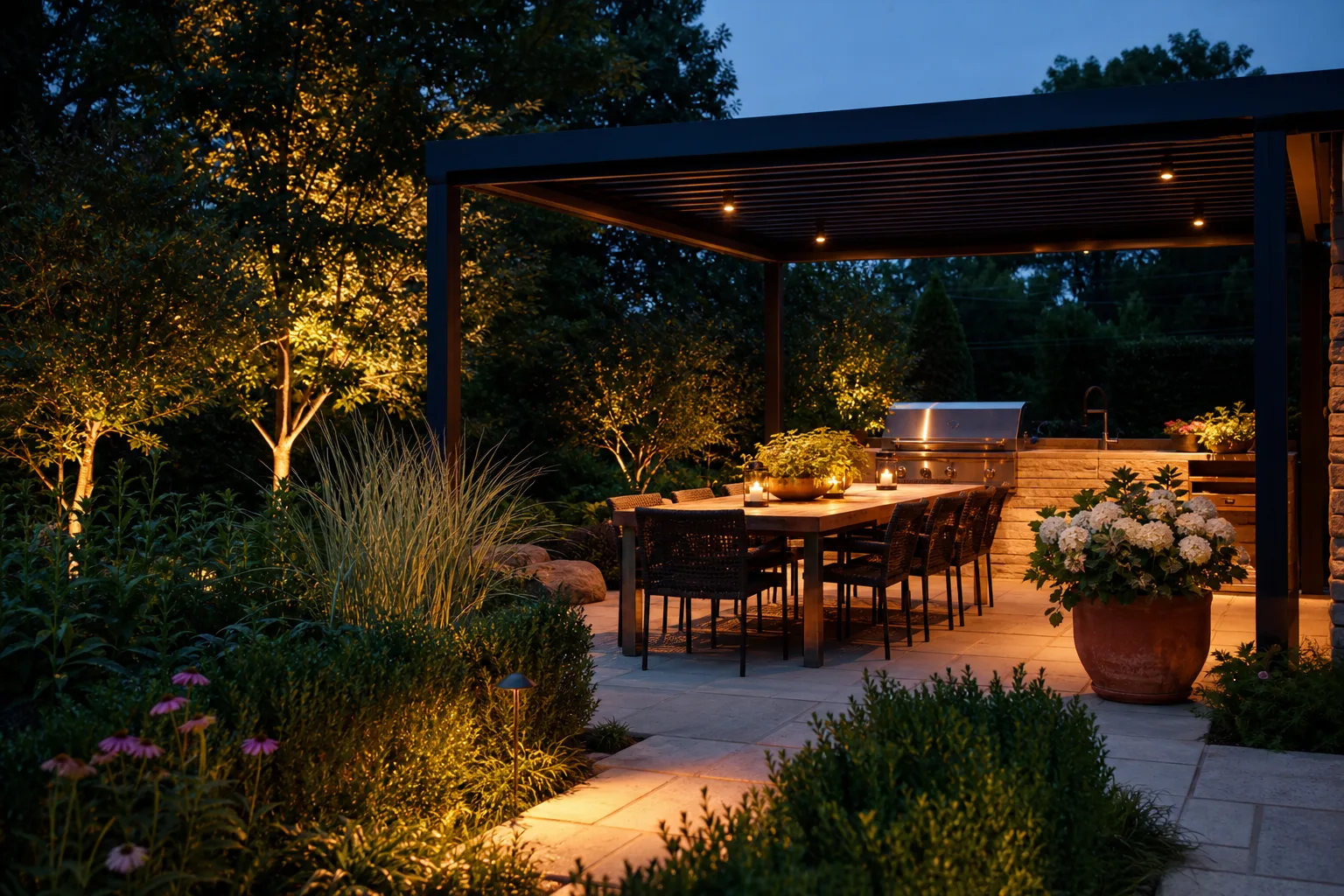
Observe + plan
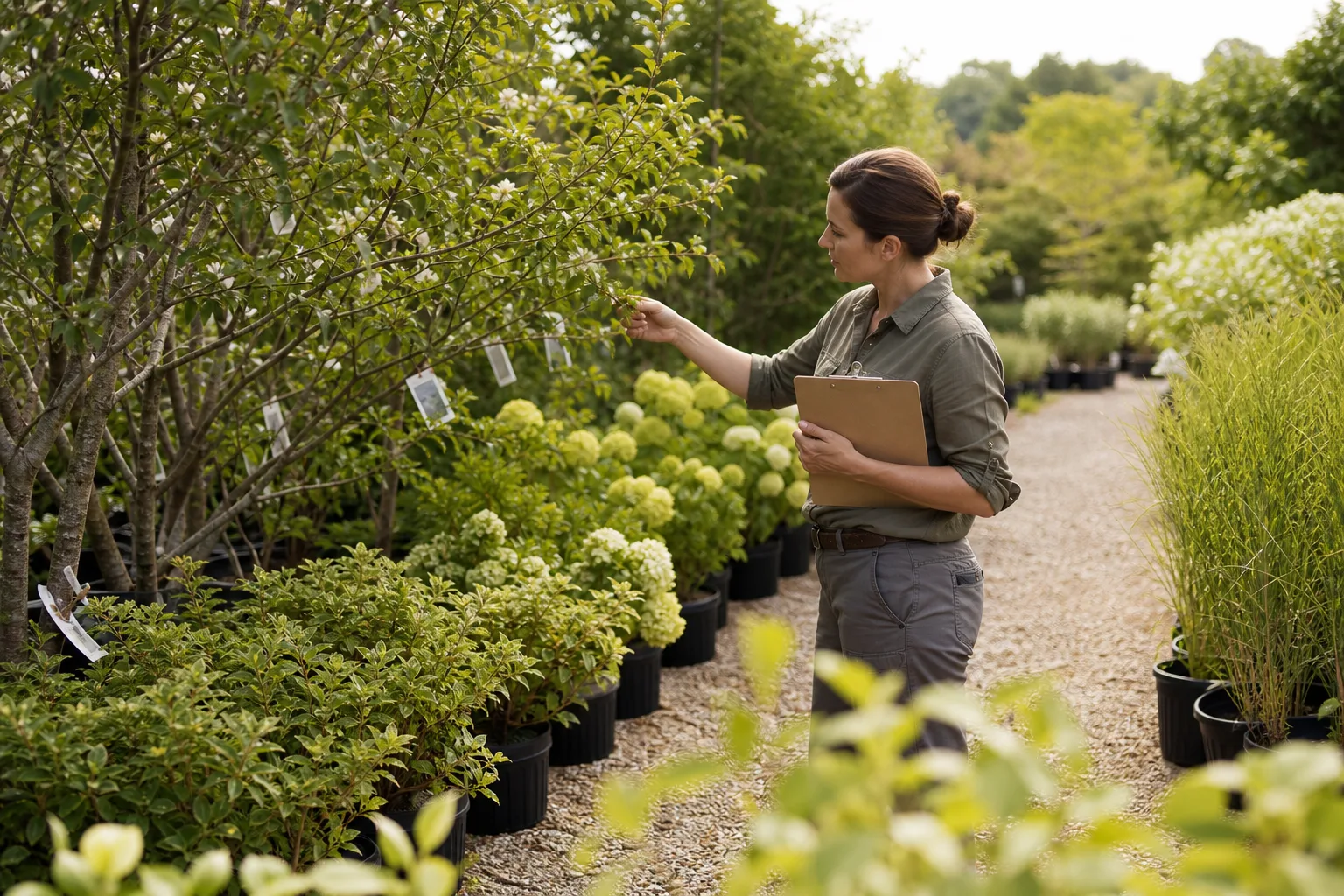
Review winter structure, drainage signals, salt exposure, damaged branches, views, priorities, surveys, and design decisions.
A broad planning rhythm for a fictional western-suburban landscape. Weather, species, site, soil, regulations, and current conditions always change the real answer.
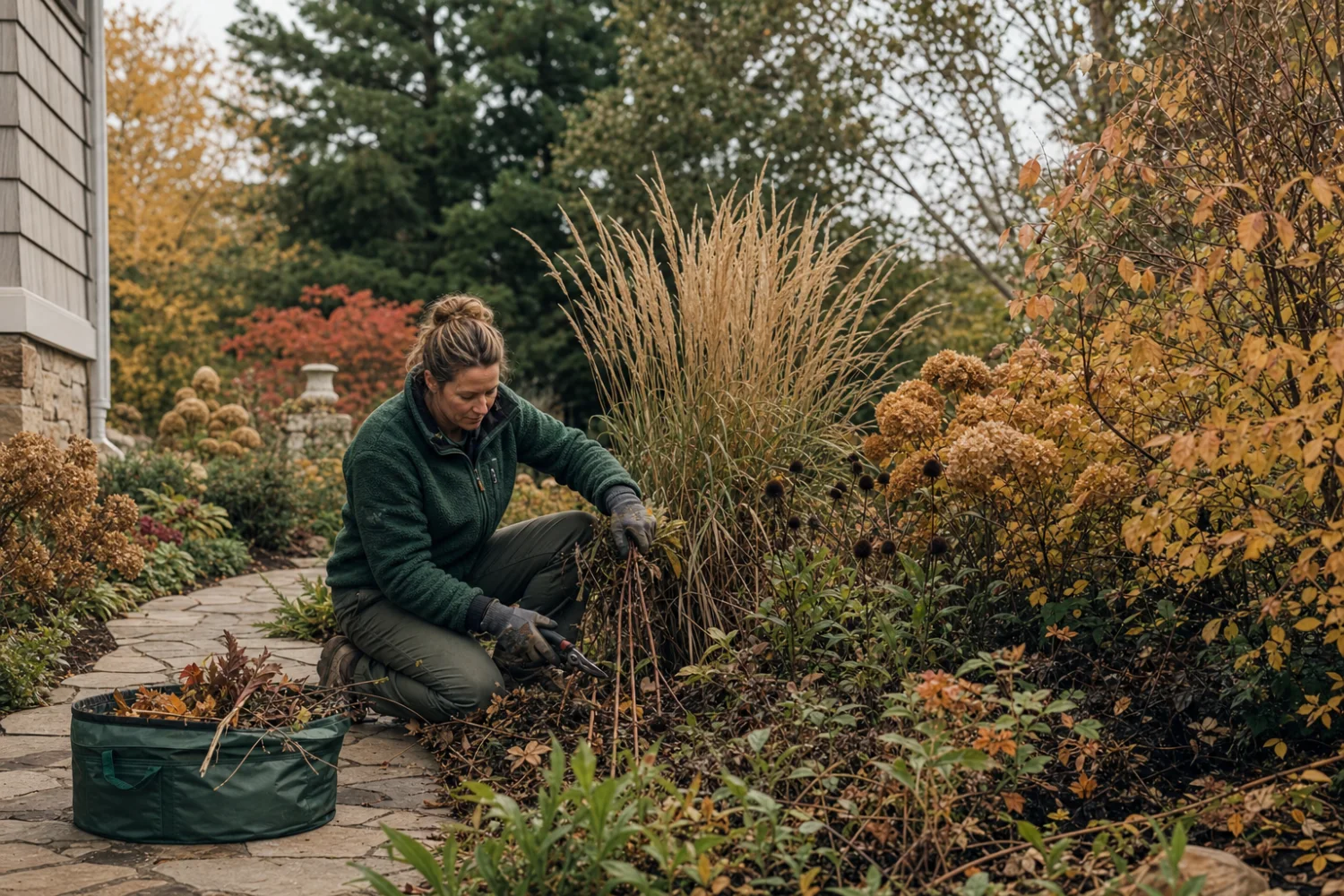
Spring exposes structure. Summer tests water and density. Autumn reveals sequence. Winter shows whether the bones of the landscape are doing enough.
Review winter structure, drainage signals, salt exposure, damaged branches, views, priorities, surveys, and design decisions.
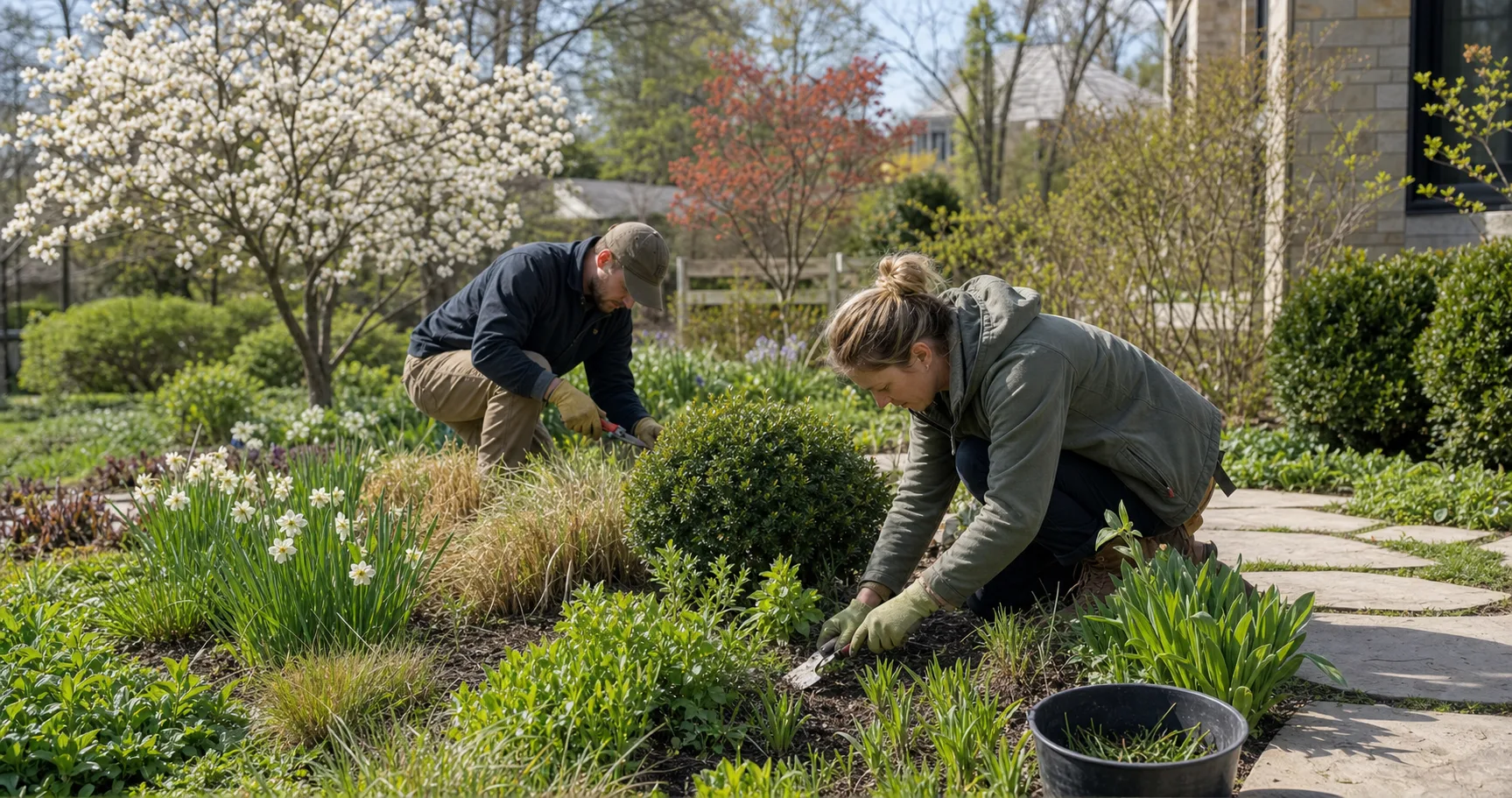
Assess soil readiness, perform appropriate cleanup, edit beds, plant suitable material, mulch thoughtfully, and begin watering routines.
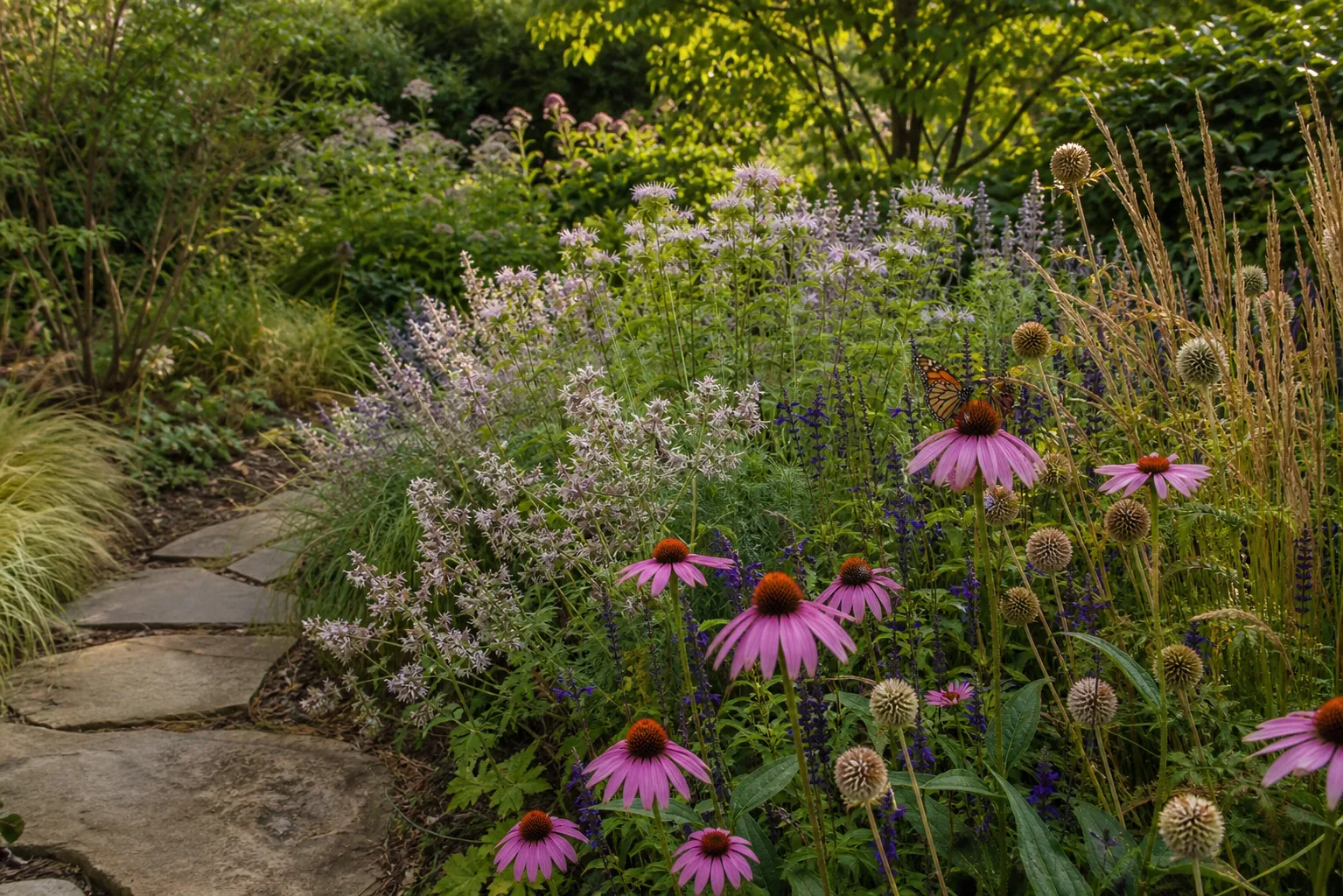
Monitor establishment, weeds, pests, water stress, staking, bloom sequence, use patterns, and shade changes.
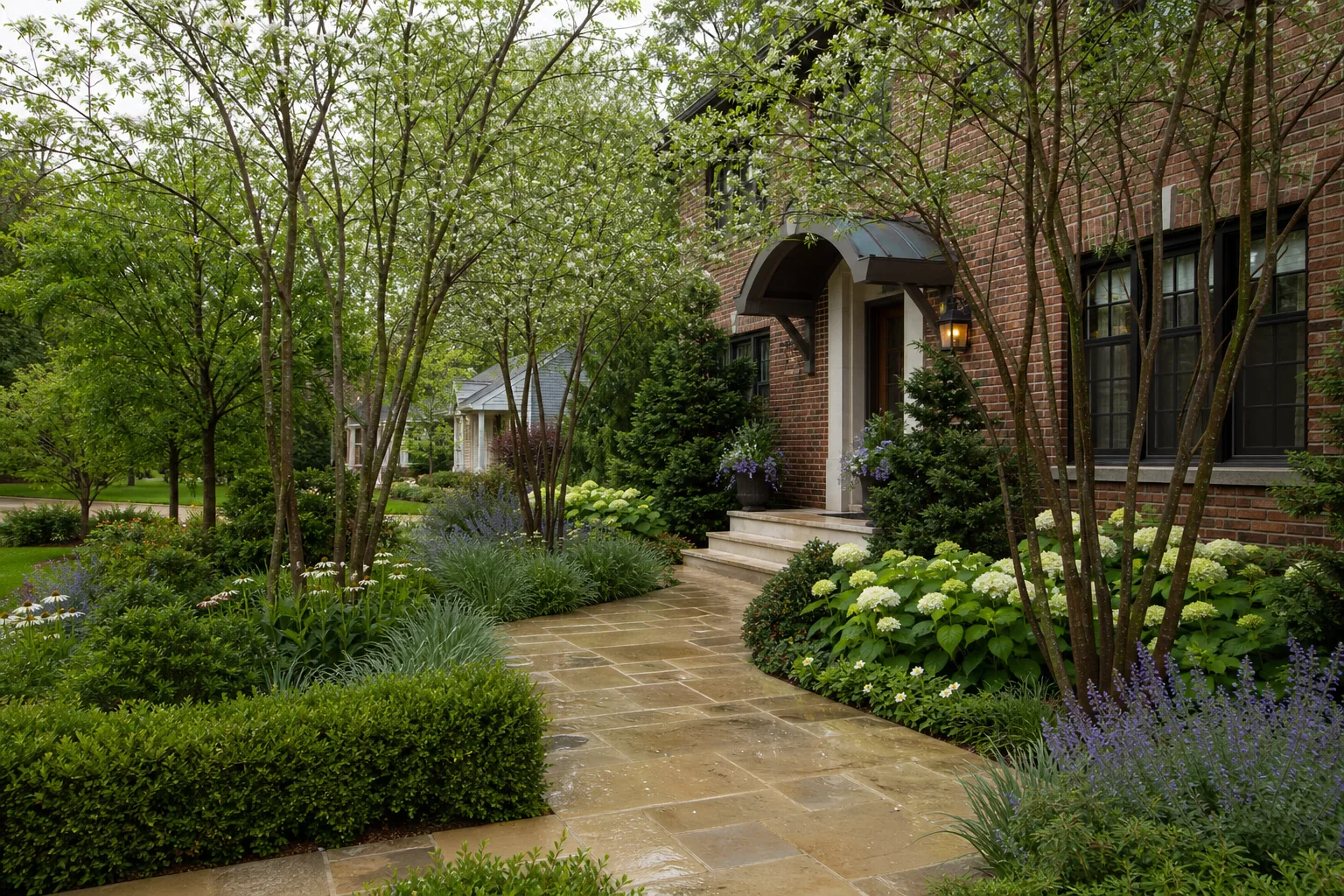
Evaluate fall planting opportunities, divide suitable plants, strengthen weak areas, and review future phases.
Make selective cutback decisions, preserve useful structure, prepare vulnerable material, manage leaves, and document lessons.
Photograph views, note water movement, track use, question repeated problems, and avoid applying one rule to every plant.
Seasonal content becomes more useful when it shows what to observe, what to leave alone, what to record, and when a specialist may be needed.